
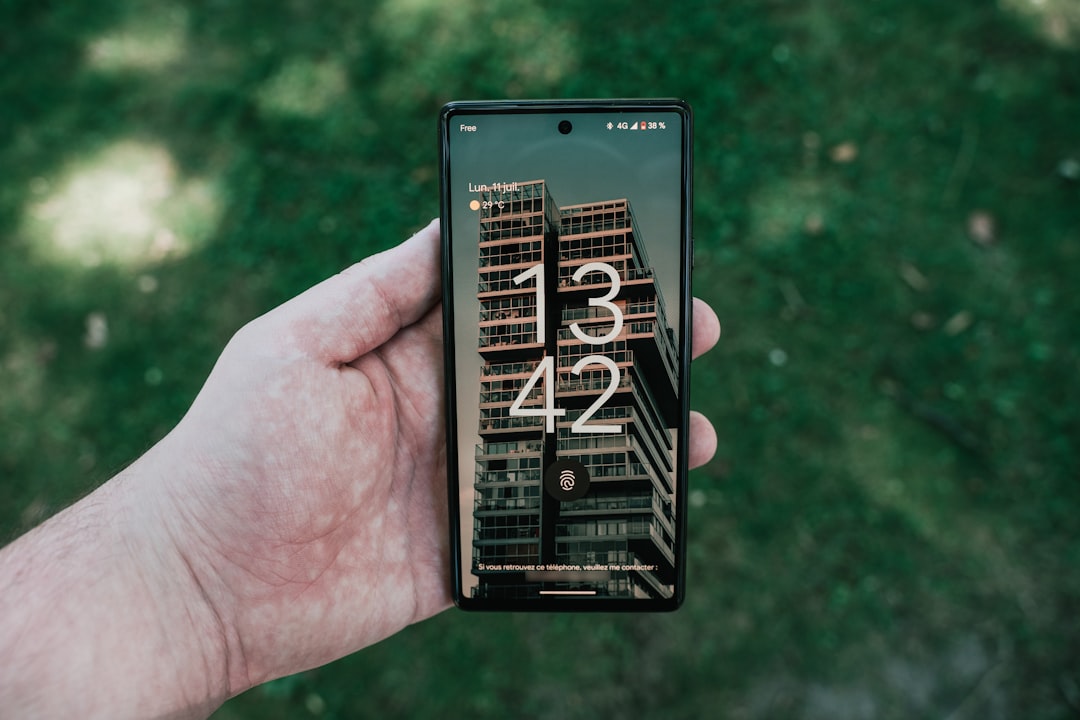
The future is here, and it’s smarter than ever! Artificial Intelligence (AI) is no longer just a buzzword; it’s seamlessly integrated into our daily lives, especially within the powerful devices we carry. For Indian Android users looking to upgrade to an AI-powered smartphone without breaking the bank, finding the perfect balance of features and affordability can be a challenge. This detailed guide will help you navigate the exciting world of AI mobile phones under ₹40,000 in India for 2025.
- Explore the rise of AI in smartphones and its benefits for users.
- Understand key AI features to look for in phones under ₹40,000.
- Discover our top picks for the best AI-enabled smartphones in 2025 within this budget.
- Learn common mistakes to avoid when choosing an AI phone and get answers to frequently asked questions.
Decoding AI in Smartphones: What Does it Mean for You?
Before we dive into specific models, let’s understand what “AI” truly signifies in the context of mobile phones. It’s not about your phone becoming a sentient robot, but rather about its ability to learn from your usage patterns, anticipate your needs, and perform tasks more intelligently and efficiently. This can range from enhancing your photos to optimizing battery life, making your overall smartphone experience smoother and more personalized.
Modern AI in smartphones is powered by specialized hardware, often called a Neural Processing Unit (NPU) or AI Engine, integrated into the main processor (System-on-Chip or SoC). This dedicated hardware handles complex machine learning algorithms locally on the device, ensuring faster processing, better privacy, and reduced reliance on cloud services. In 2025, even mid-range phones are expected to feature robust NPUs, bringing advanced AI capabilities to a wider audience.
The Benefits of an AI-Powered Smartphone
- Smarter Photography: AI enhances everything from scene detection and object recognition to advanced portrait modes, low-light optimization, and even generative photo editing.
- Improved Performance & Efficiency: AI intelligently manages resources, pre-loads apps, optimizes RAM, and extends battery life by learning your usage habits.
- Personalized User Experience: From intelligent suggestions for apps and content to smart replies and on-device translation, AI makes your phone feel more intuitive.
- Enhanced Security: AI can power more robust facial recognition, detect unusual activity, and provide proactive security measures.
- Advanced Voice Assistants: Google Assistant and other voice assistants become more context-aware and capable with stronger on-device AI.
What to Look for in an AI Phone Under ₹40,000 in India (2025)
When you’re shopping for an AI-powered smartphone in the competitive under ₹40,000 segment in India for 2025, it’s crucial to look beyond just the “AI” label. Here’s a breakdown of the key specifications and features that truly define a capable AI phone in this price range:
1. Dedicated NPU or Powerful AI Engine
- Why it matters: This is the heart of on-device AI processing. Chips like Qualcomm’s Snapdragon 7 series (e.g., Snapdragon 7+ Gen 3), MediaTek’s Dimensity 8000 series, or Samsung’s Exynos 1480 (or their 2025 equivalents) will feature significantly improved NPUs. A powerful NPU ensures that AI tasks like real-time image processing, on-device translation, and complex computational photography are handled efficiently without draining the battery or slowing down the phone.
- What to look for: Check the SoC specifications for mentions of a dedicated NPU, AI Engine, or Hexagon Processor (for Qualcomm). The higher the TOPS (Tera Operations Per Second) rating, generally the more capable the AI processing.
2. Software-Level AI Integration
- Why it matters: Hardware is only half the story; software brings AI to life. Android 15 (expected in 2025) and custom UIs like Samsung’s One UI, OnePlus’s OxygenOS, or Xiaomi’s HyperOS will feature deeper AI integrations. This includes AI-powered wallpapers, advanced photo editing tools, smart search capabilities, and even generative AI features directly on the device.
- What to look for: Read reviews and product descriptions for specific AI features integrated into the camera app, gallery, system settings, and native applications. Look for promises of regular AI feature updates from the manufacturer.
3. Camera AI Capabilities
- Why it matters: This is where most users experience AI directly. Modern camera AI goes beyond simple scene detection. It includes advanced computational photography for better low-light shots, intelligent object recognition and tracking, precise portrait mode edge detection, AI-powered video stabilization, and even generative AI features for editing photos directly on the device.
- What to look for: Look for features like “AI Scene Optimizer,” “ProAI Video,” “Generative Edit,” “Object Eraser,” or “Photo Remaster” in the camera app’s description. High megapixel count isn’t the only factor; the software processing driven by AI is equally important.
4. Performance and Efficiency AI
- Why it matters: AI can significantly improve your phone’s day-to-day performance and battery life. It learns which apps you use most frequently and pre-loads them, optimizes RAM usage, and intelligently allocates CPU/GPU resources. Furthermore, AI-powered battery management learns your charging habits and usage patterns to extend battery longevity and optimize charging cycles.
- What to look for: Mention of “Adaptive Battery,” “AI Boost,” “Smart Resource Management,” or similar features that promise smoother performance and extended battery life through intelligent optimization.
5. Display Quality and Refresh Rate
- Why it matters: While not directly AI, a great display is essential for enjoying AI-enhanced content, especially photos and videos. An AMOLED display offers vibrant colors and deep blacks, while a high refresh rate (90Hz or 120Hz) provides a smoother scrolling and gaming experience.
- What to look for: A Full HD+ AMOLED display with at least a 120Hz refresh rate is standard for this price point in 2025.
6. RAM and Storage
- Why it matters: AI operations, especially on-device generative AI, can be RAM-intensive. Sufficient RAM (8GB or more) ensures smooth multitasking and efficient AI processing. Ample storage (128GB or 256GB) is crucial for storing your photos, videos, apps, and future AI models that might be downloaded.
- What to look for: Aim for at least 8GB of RAM and 128GB of internal storage. UFS 3.1 or UFS 4.0 storage will offer faster read/write speeds, which benefits AI-driven tasks.
7. 5G Connectivity and Future-Proofing
- Why it matters: 5G is now widespread in India, and an AI phone should be able to leverage its speed for cloud-based AI services or faster downloads of AI model updates. Future-proofing means ensuring your device will receive software and AI updates for several years.
- What to look for: Support for multiple 5G bands in India. Check the manufacturer’s update policy – many brands offer 3-4 years of OS updates and 4-5 years of security updates for phones in this segment.
Our Top Picks: Best AI Mobile Phones Under ₹40,000 in India (2025)
Based on anticipated releases, current market trends, and the criteria discussed above, here are our top recommendations for AI-powered smartphones that offer excellent value and smart features under ₹40,000 in India for 2025. Please note that exact specifications and prices for 2025 models are projections and may vary.
-
Samsung Galaxy A57 5G (Expected Price: ₹32,000 – ₹38,000)
Samsung’s A-series consistently delivers a strong package, and the anticipated Galaxy A57 5G for 2025 is expected to be a powerhouse in the AI segment. Building on its predecessors, it will likely feature a capable Exynos 1480 or a new Snapdragon 7-series chipset with an enhanced NPU. Expect robust AI integration within One UI, offering advanced photo editing, smarter battery management, and an overall fluid user experience.
- Key AI Features: Advanced AI Image Enhancer, Object Eraser, Photo Remaster, Live Translate (on-device), AI-powered Call Assist, Adaptive Battery & Performance.
- Display: 6.6-inch Super AMOLED, 120Hz refresh rate, Vision Booster.
- Camera: Triple camera setup with a 64MP main sensor (OIS), 12MP ultrawide, 5MP macro. Expect significant AI computational photography improvements for low-light and portrait shots.
- Processor: Likely Exynos 1480 or Snapdragon 7 Gen 4, with a powerful dedicated NPU.
- RAM/Storage: 8GB RAM, 128GB/256GB storage.
- Battery: 5000mAh with 25W fast charging.
- Pros: Excellent software support with guaranteed updates, vibrant AMOLED display, reliable camera AI, premium build quality, IP67 water/dust resistance.
- Cons: Charging speed might not be the fastest in its class.
💡 Pro Tip: Samsung’s One UI often integrates AI features directly into the default gallery app, allowing for quick and powerful photo edits without needing third-party tools. Explore these options! -
OnePlus Nord 5 Pro (Expected Price: ₹30,000 – ₹37,000)
The OnePlus Nord series is known for its blend of performance and clean software. The Nord 5 Pro, expected in 2025, will likely push the boundaries with an even more powerful Snapdragon 7-series or Dimensity 8000-series chip, focusing on smooth performance and refined OxygenOS AI features. Expect fast charging, a great display, and a camera system that benefits heavily from AI processing.
- Key AI Features: AI-enhanced computational photography (ProXDR support), Smart Resource Allocation, AI-powered battery health optimization, potentially some on-device generative AI features for text or image manipulation.
- Display: 6.7-inch Fluid AMOLED, 120Hz refresh rate, HDR10+.
- Camera: Dual camera setup with a 50MP main sensor (OIS) and an 8MP ultrawide. AI will play a crucial role in image processing and dynamic range.
- Processor: Anticipated Snapdragon 7+ Gen 4 or Dimensity 8300 Ultra, both with strong AI capabilities.
- RAM/Storage: 8GB/12GB RAM, 128GB/256GB storage.
- Battery: 5000mAh with 80W SuperVOOC fast charging.
- Pros: Blazing-fast charging, clean OxygenOS experience, excellent performance, premium design, good software update policy.
- Cons: May lack some of the more niche AI features found in Samsung or Pixel.
💡 Pro Tip: OnePlus’s custom OxygenOS is known for its fluidity. Its AI algorithms often work in the background to ensure apps launch faster and the system remains responsive over time. -
Xiaomi 15 Lite 5G (Expected Price: ₹28,000 – ₹35,000)
Xiaomi’s “Lite” series often brings flagship-level features at a more accessible price point. The Xiaomi 15 Lite 5G is expected to carry this tradition forward in 2025, featuring a powerful new generation Snapdragon 7-series or Dimensity chipset, coupled with Xiaomi’s HyperOS AI enhancements. This phone will likely offer a great display, a versatile camera, and robust performance, all powered by intelligent AI algorithms.
- Key AI Features: HyperOS AI Smart Hub, AI-powered image segmentation and background blurring, AI noise reduction for photos/videos, intelligent power optimization, AI-driven content recommendations.
- Display: 6.55-inch AMOLED, 120Hz refresh rate, Dolby Vision.
- Camera: Triple camera system with a 50MP main (OIS), 8MP ultrawide, and a 2MP macro. Expect strong AI scene detection and processing.
- Processor: Likely Snapdragon 7 Gen 4 or Dimensity 8300, with a capable NPU.
- RAM/Storage: 8GB RAM, 128GB/256GB storage.
- Battery: 4800mAh with 67W turbo charging.
- Pros: Excellent value for money, vibrant display, fast charging, powerful processor for the price, robust HyperOS AI features.
- Cons: Software can sometimes feel a bit bloated compared to stock Android.
⚠️ Warning: While Xiaomi offers powerful AI features, some users might find HyperOS’s aggressive battery optimization can occasionally delay notifications for less frequently used apps. Adjust settings as needed. -
POCO F6 Pro (Expected Price: ₹30,000 – ₹39,000)
POCO, known for its performance-focused devices, will likely offer the POCO F6 Pro in 2025 as a gaming and power-user centric AI phone. While prioritizing raw performance, its AI capabilities will be geared towards optimizing gaming experiences, managing thermal performance, and enhancing camera output. Expect a high refresh rate display, a powerful processor, and rapid charging.
- Key AI Features: AI-powered game turbo mode, intelligent thermal throttling prevention, AI scene recognition for photography, dynamic RAM expansion with AI optimization, smart charging for battery longevity.
- Display: 6.67-inch AMOLED, 120Hz refresh rate, high touch sampling rate.
- Camera: 50MP main sensor (OIS) + ultrawide. AI will primarily boost image quality, detail, and color accuracy.
- Processor: Likely a powerful Snapdragon 7+ Gen 4 or Dimensity 8300 Ultra, tuned for peak performance with a strong NPU.
- RAM/Storage: 8GB/12GB RAM, 256GB storage.
- Battery: 5100mAh with 90W fast charging.
- Pros: Unmatched performance for gaming, excellent cooling system, very fast charging, large battery, good value.
- Cons: Camera AI might be less refined than Samsung or Pixel equivalents, but still very capable.
💡 Pro Tip: For gamers, POCO’s AI-enhanced Game Turbo mode can significantly improve performance by allocating resources intelligently and reducing distractions. Experiment with its settings for your favorite titles. -
Realme 13 Pro+ 5G (Expected Price: ₹29,000 – ₹36,000)
Realme has consistently delivered competitive smartphones, and the 13 Pro+ 5G in 2025 is expected to be a strong contender, particularly in camera and design. It will likely feature a new Dimensity or Snapdragon chipset with a focus on powerful AI for computational photography, offering users impressive photo and video capabilities within the budget. Expect a curved display and premium aesthetics.
- Key AI Features: Advanced AI camera algorithms for zoom and low-light, AI-based portrait segmentation, Smart Image Stabilization, AI-driven power efficiency, Realme UI’s intelligent system optimizations.
- Display: 6.7-inch Curved AMOLED, 120Hz refresh rate, high brightness.
- Camera: 200MP main sensor (OIS) with enhanced AI zoom capabilities, 8MP ultrawide, 2MP macro. AI will be crucial for managing the high-resolution sensor and creating detailed images.
- Processor: Likely Dimensity 8300 or a new Snapdragon 7-series, both with integrated NPUs.
- RAM/Storage: 8GB/12GB RAM, 128GB/256GB storage.
- Battery: 5000mAh with 100W SuperVOOC fast charging.
- Pros: High-resolution main camera with strong AI processing, extremely fast charging, premium curved display, stylish design, good performance.
- Cons: Ultrawide camera might be average, some users might prefer a flatter display.
💡 Pro Tip: With a 200MP sensor, the Realme 13 Pro+ will leverage AI for “pixel-binning” to produce stunning 12.5MP or 50MP images with incredible detail, especially in challenging lighting conditions. Don’t always shoot at full resolution! -
Nothing Phone (3) Lite (Expected Price: ₹35,000 – ₹39,999)
Nothing has carved a niche with its unique design and clean software experience. The Nothing Phone (3) Lite, an anticipated release for 2025, could bring their distinct approach to the sub-₹40,000 segment. While maintaining its iconic Glyph Interface, it would likely integrate AI subtly into Nothing OS, focusing on user experience enhancements, efficient performance, and perhaps some unique visual AI tricks.
- Key AI Features: Nothing OS’s minimalist AI for app prediction and resource management, AI-enhanced camera processing for natural-looking photos, potentially unique AI features integrated with the Glyph Interface for notifications or interactions.
- Display: 6.7-inch AMOLED, 120Hz refresh rate.
- Camera: Dual 50MP camera setup (main with OIS, ultrawide). AI will focus on delivering consistent, high-quality images with Nothing’s signature aesthetic.
- Processor: A mid-range Snapdragon 7-series or Dimensity 8000-series chip, optimized for Nothing OS.
- RAM/Storage: 8GB RAM, 128GB/256GB storage.
- Battery: 4800mAh with 45W fast charging and potentially wireless charging support.
- Pros: Unique design, clean and bloatware-free Nothing OS, good software update policy, solid camera performance, premium feel.
- Cons: AI features might be less overtly “flashy” compared to other brands, focusing more on subtle enhancements.
⚠️ Warning: Nothing’s approach to AI is often more about subtle system optimizations and refined user experience rather than headline-grabbing generative AI features. If you’re looking for advanced AI photo manipulation, you might need to rely on third-party apps.
Common Mistakes to Avoid When Buying an AI Phone
Choosing a new smartphone can be overwhelming, especially with the added complexity of AI features. Here are some common pitfalls to avoid:
- Falling for Vague “AI” Marketing: Many phones claim “AI camera” or “AI enhanced” without specifying what those features actually do. Always look for concrete examples like “Object Eraser,” “AI Super Resolution,” or “Live Translate.”
- Ignoring the NPU/AI Engine: A phone might have great specs, but if its processor lacks a dedicated and powerful NPU, its on-device AI capabilities will be limited, relying more on slower cloud processing or basic algorithms.
- Overlooking Software Updates: AI is constantly evolving. A phone that receives regular software and AI feature updates will stay relevant longer. Check the manufacturer’s update policy.
- Prioritizing Raw Specs Over AI Utility: While a high megapixel count or a super-fast refresh rate is good, consider how AI enhances your actual usage. Do you need AI for better photos, smarter assistant features, or improved battery life?
- Not Considering Your Usage: If you rarely take photos or use voice assistants, some advanced AI features might be overkill. Conversely, if you rely heavily on computational tasks, a strong NPU is crucial.
- Assuming All AI is On-Device: Some “AI features” are cloud-based, meaning they require an internet connection and might have privacy implications. Prioritize phones with strong on-device AI capabilities for speed and privacy.
Common Sawaal (FAQs)
Q1: What exactly is an “AI Phone” and how is it different from a regular smartphone?
An “AI Phone” is a smartphone that incorporates dedicated hardware (like an NPU) and advanced software algorithms to perform tasks more intelligently, efficiently, and often, locally on the device. While all modern smartphones use some form of AI, an “AI Phone” emphasizes deeper integration, more complex on-device processing, and a wider range of AI-powered features compared to a regular smartphone. This translates to smarter cameras, better performance optimization, personalized user experiences, and enhanced security.
Q2: Do I really need an AI phone, or is it just a gimmick?
Whether you “need” an AI phone depends on your usage patterns. If you value features like professional-grade photos with minimal effort, intelligent battery management that extends your phone’s life, a voice assistant that understands context better, or tools that make your daily tasks smoother (like smart text suggestions or on-device translation), then an AI phone offers significant benefits. For many users, the subtle yet powerful enhancements provided by AI make the smartphone experience much more intuitive and enjoyable. It’s far from a gimmick; it’s the next evolution of mobile computing.
Q3: Will these under ₹40,000 AI phones receive future AI updates like more expensive flagships?
Yes, most reputable manufacturers are committed to providing software and AI feature updates for their mid-range devices, especially in the ₹30,000-₹40,000 segment. While flagship phones might get cutting-edge generative AI features first, the AI capabilities of the phones listed here are designed to be updated and improved over time. Always check the manufacturer’s software update policy (e.g., “3 years of OS updates and 4 years of security updates”) to ensure your investment remains future-proof with evolving AI technologies.
- AI in smartphones enhances photography, performance, personalization, and security.
- Look for a dedicated NPU, strong software integration, and specific AI camera features.
- Top picks under ₹40,000 for 2025 include anticipated models from Samsung, OnePlus, Xiaomi, POCO, Realme, and Nothing, offering diverse AI capabilities.
- Avoid vague marketing; focus on tangible AI benefits and ensure good software update support.
- AI phones are becoming standard, offering significant value and smarter experiences for Indian users.
Aakhri Baat
The landscape of smartphones is rapidly evolving, with Artificial Intelligence at its forefront. For Indian Android users in 2025, finding a powerful AI-enabled mobile phone under ₹40,000 is not just possible, but increasingly accessible. The devices we’ve highlighted, from the feature-rich Samsung Galaxy A57 5G to the performance-driven POCO F6 Pro, exemplify how brands are bringing sophisticated on-device AI capabilities to the mid-range segment. By understanding what truly constitutes an AI phone and focusing on features that enhance your daily usage, you can make an informed decision and upgrade to a device that’s not just smart, but truly intelligent. Don’t miss out on the future of mobile technology – choose your next AI companion wisely and experience the difference. Share your thoughts and questions in the comments below, and let us know which AI feature you’re most excited about!
Content is intended for informational purposes only. Prices and product details may vary — please verify before making any purchase decisions.
© 2026 NexifyLabs — All rights reserved.