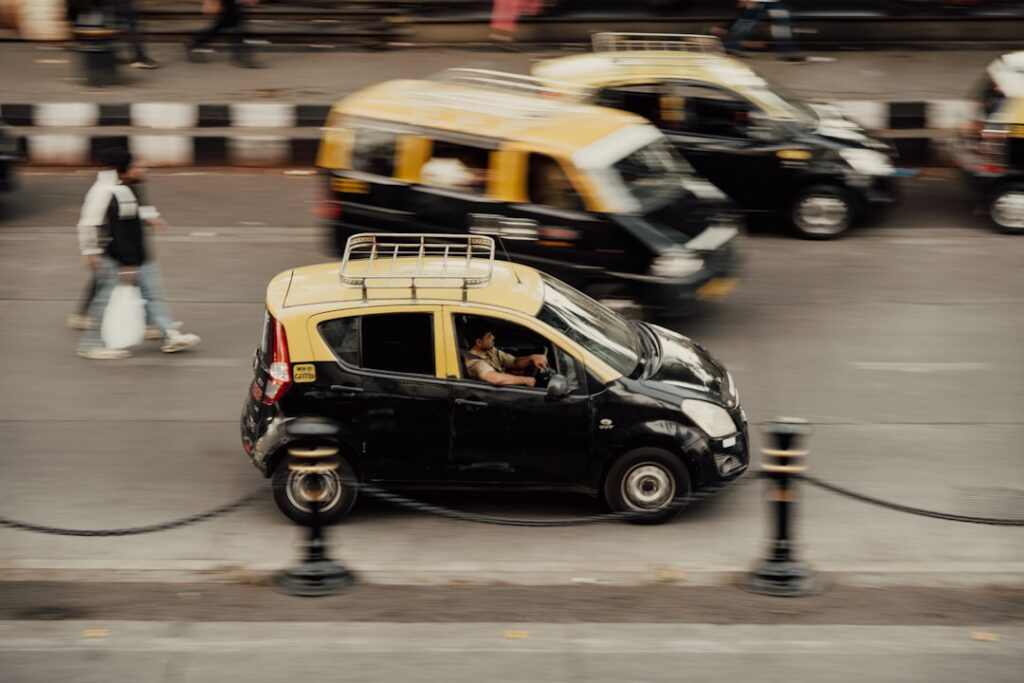
Electric Vehicles Future in India 2025: Driving Towards a Greener, Smarter Tomorrow!
Namaste, tech enthusiasts aur future-forward innovators! Aap sabhi ka swagat hai NexifyLabs India ke blog par. Aaj hum ek aise topic par baat karne wale hain jo sirf gaadiyon ke baare mein nahi, balki hamare desh ke future, hamari economy aur hamare environment se juda hai – the Electric Vehicle (EV) revolution in India. Agar aap soch rahe hain ki 2025 tak EVs ka kya haal hoga, toh aap bilkul sahi jagah par hain. Chaliye, ek deep dive karte hain into the exciting world of Electric Vehicles future in India 2025!
Introduction: India’s Electric Dream – A Vision for 2025
Bharat mein Electric Vehicles ka future ekdam bright aur tezi se badal raha hai. Kuch saal pehle tak EVs ek niche concept lagte the, kuch hi logon ke liye. Lekin ab, the scene is drastically changing! From buzzing 2-wheelers to silent 4-wheelers, EVs are slowly but surely making their presence felt on Indian roads. 2025 tak, yeh ‘slowly’ kaafi ‘rapidly’ mein badal jayega, aur hum ek major transformation dekhne wale hain.
Our government, industries, and even consumers are realizing the multi-faceted benefits of electric mobility. Pollution kam karna, foreign oil par dependency ghatana, aur ek sustainable future banana – these are not just buzzwords, but tangible goals that EVs are helping us achieve. 2025 is not just another year; it’s a critical milestone. By then, we expect to see significant strides in infrastructure, technology, and consumer adoption. This article will explore the driving forces behind this change, the challenges we need to overcome, what the landscape will look like, and some practical tips for you, our future EV owners. Toh, apni seatbelts baandh lijiye, because the journey to an electric India is going to be exhilarating! Let’s decode the future, together.
Section 1: The Driving Forces – Why EVs are Accelerating in India
India mein EVs ka boom sirf ek fad nahi hai; it’s a well-orchestrated symphony of various forces working in tandem. Kuch saal pehle jo sapna lagta tha, ab woh reality ban raha hai, aur 2025 tak yeh momentum aur bhi badhega. Chaliye dekhte hain kaun se factors hain jo is revolution ko fuel kar rahe hain:
1. Government Push & Policies (Sarkaari Samarthan):
Our government has been a major catalyst. The FAME (Faster Adoption and Manufacturing of Electric Vehicles) India scheme, especially FAME-II, has played a pivotal role. Is scheme ke तहत, EVs par subsidies provide ki jaati hain, making them more affordable for consumers. For example, electric 2-wheelers, 3-wheelers, and even buses receive significant financial incentives. Additionally, various state governments, like Delhi, Maharashtra, and Gujarat, have introduced their own EV policies offering further subsidies on purchase, road tax exemptions, and registration fee waivers. Production-Linked Incentive (PLI) schemes for Advanced Chemistry Cell (ACC) battery manufacturing are also encouraging local production, reducing import dependency and costs. Imagine, if you’re buying an EV today, you could save lakhs thanks to these policies!
2. Environmental Imperatives (Paryavaran ki Zaroorat):
India ke bade shehron mein air pollution ek serious concern hai. Delhi, Mumbai, Bengaluru jaise cities mein AQI levels often cross dangerous thresholds. EVs, being zero-emission vehicles, offer a viable solution to combat tailpipe emissions. The shift to electric mobility is not just about convenience; it’s about public health and creating cleaner, breathable cities for future generations. Log ab is baat ko samajh rahe hain, aur environment-friendly options ki taraf jhukav badh raha hai.
3. Economic Benefits (Aarthik Fayde):
Petrol aur diesel ke daam aasman chhoo rahe hain, aur yeh ek bada factor hai jo consumers ko EVs ki taraf attract kar raha hai. EVs ki running cost significantly kam hoti hai. Imagine paying ₹1-2 per km for an EV versus ₹8-10 per km for a petrol car! This translates to massive savings over time. Plus, lower maintenance costs (fewer moving parts, no oil changes) add to the appeal. India ka crude oil import bill bhi kam hoga, strengthening our economy. Yeh ‘pocket-friendly’ aspect hi hai jo common Indian families ko EVs ki taraf kheench raha hai.
4. Technological Advancements & Growing Awareness (Takneeki Pragati aur Jaagrukta):
Battery technology has come a long way. Batteries are becoming more efficient, offering better range and faster charging times. Companies like Tata Power, Ather, and Ola Electric are investing heavily in R&D and expanding their charging networks. Also, digital platforms aur social media ke through EVs ke baare mein jaagrukta badh rahi hai. People are learning about the benefits, dispelling myths, and becoming more open to adopting new technology. Earlier, range anxiety was a major concern, but with increasing charging points and better battery tech, it’s slowly fading away.
These forces, combined, are creating a conducive environment for EVs to flourish, setting the stage for an electric future that will be much more visible by 2025.
Section 2: The Road Ahead – Challenges and How India is Paving the Way
Har revolution ke saath challenges aate hain, aur EV sector bhi isse alag nahi hai. Although India is rapidly progressing, there are still hurdles to overcome. However, the good news is that we are actively working on solutions, paving a clearer path for the future.
1. Charging Infrastructure (Charging Suvidhaon ki Kami):
This is perhaps the biggest elephant in the room. Range anxiety – the fear of running out of charge – is real for many potential EV buyers. Currently, charging stations are not as ubiquitous as petrol pumps, especially outside major cities.
* How India is Paving the Way: Government initiatives are pushing for charging stations at every 25 km on highways and every 3 km in cities. Private players like Tata Power, Ather Energy (Ather Grid), and Statiq are rapidly expanding their networks. Tata Power, for instance, has already installed thousands of public and captive charging points across hundreds of cities. Bharat Petroleum, Indian Oil, and Hindustan Petroleum are integrating EV charging facilities at their existing fuel stations. By 2025, we can expect a much denser and more reliable charging network, making inter-city travel feasible for EVs. Battery swapping solutions, like those offered by Bounce Infinity for 2-wheelers, are also gaining traction, offering a quick alternative to charging.
2. Battery Technology & Cost (Battery ki Keemat aur Takneek):
EVs ki initial cost high hone ka ek major reason hai battery ka price. Batteries are expensive, and concerns about their lifespan and replacement costs are common. Also, India relies heavily on imported cells for battery manufacturing.
* How India is Paving the Way: The government’s PLI scheme for ACC (Advanced Chemistry Cell) manufacturing is a game-changer. It incentivizes domestic and international players to set up battery manufacturing units in India. This will lead to reduced battery costs, lesser import dependency, and localized R&D for better, more efficient batteries suited for Indian conditions. Companies are also exploring innovative ownership models, like battery leasing, where you buy the EV but lease the battery, reducing the upfront cost significantly. By 2025, we anticipate more affordable, India-made batteries.
3. Upfront Purchase Cost (Shuruwati Kharidari Laagat):
Despite subsidies, the initial purchase price of an EV is generally higher than its ICE (Internal Combustion Engine) counterpart, which can deter budget-conscious buyers.
* How India is Paving the Way: As mentioned, government subsidies (FAME-II, state policies) are helping bridge this gap. Moreover, as technology matures and production scales up, manufacturing costs will naturally decrease. More affordable EV models, especially in the 2-wheeler and budget 4-wheeler segments, are entering the market. Financing options from banks and NBFCs are also becoming more attractive with lower interest rates for EV loans. By 2025, we expect a wider range of EVs across all price points, making them accessible to a larger segment of the population.
4. Skilled Workforce & After-Sales Service (Kushal Kaamgaar aur Service):
EVs require specialized knowledge for maintenance and repair. A lack of trained technicians can hinder after-sales support.
* How India is Paving the Way: Educational institutions and vocational training centers are introducing courses on EV technology. OEMs (Original Equipment Manufacturers) like Tata Motors and Mahindra are investing in training their service network staff. The Electric Vehicle sector is creating new job opportunities, and by 2025, a more robust ecosystem of skilled professionals will emerge, ensuring reliable service and support for EV owners.
These proactive measures show that India is not shying away from challenges but is actively working towards building a strong and sustainable EV ecosystem.
Section 3: What to Expect by 2025 – A Glimpse into the Future
2025 is not far away, aur tab tak India mein EV landscape dramatically change ho chuka hoga. Let’s paint a picture of what we can realistically expect:
1. Diverse & Affordable EV Models (Vividh aur Saste EV Models):
The market will be flooded with a much wider array of EV options.
* 2-Wheelers: Expect more sophisticated and affordable electric scooters and motorcycles from established players like Ola Electric, Ather Energy, TVS, Bajaj, and new entrants. Models catering to daily commuters, with better range and swappable battery options, will be common.
* 3-Wheelers: E-rickshaws and electric cargo 3-wheelers will dominate the last-mile connectivity and logistics segments, especially in urban and semi-urban areas, due to their operational cost efficiency.
* 4-Wheelers: Tata Motors (Nexon EV, Tiago EV, Tigor EV) will continue to lead, but competition will intensify. Maruti Suzuki, Hyundai, Mahindra, and other global players will have multiple EV models in their portfolio, including more mass-market options. SUVs, sedans, and even compact cars will have electric variants. For instance, Maruti Suzuki is actively working on its first EV, which is expected to launch around 2025, bringing electric mobility to a much larger customer base.
2. Robust & Smart Charging Network (Majboot aur Smart Charging Network):
The charging infrastructure will be significantly more developed.
* Highway Charging Corridors: Major national highways will have charging stations at regular intervals, easing long-distance EV travel.
* Urban Charging Hubs: Public charging points will be common in commercial complexes, residential societies, workplaces, and public parking lots. Fast charging (DC chargers) will be more prevalent, reducing waiting times.
* Smart Charging: Mobile apps will not only help locate charging stations but also book slots, make payments, and even monitor charging status remotely. The integration of smart grid solutions will optimize charging patterns.
3. Made in India Batteries & Components (Bharat mein Nirmit Batteries aur Purze):
The reliance on imported battery cells will decrease. Local manufacturing of battery packs, motors, and other EV components will scale up, making the supply chain more resilient and reducing overall costs. This localization will also spur innovation tailored to Indian conditions.
4. Policy Stability & Green Financing (Niti Sthirta aur Green Finance):
Government policies will likely stabilize, providing a clear roadmap for manufacturers and consumers. Green financing options, including specialized EV loans with attractive interest rates and insurance policies, will become standard.
5. Digital Integration for EV Ecosystem:
This is where technology seamlessly blends with daily life. Imagine applying for your EV loan, government subsidy forms, or even charging station permits. These processes often involve a lot of documentation, primarily in PDF format. Our very own AIPDFEditor by NexifyLabs can be an invaluable tool here. From easily filling out digital forms, annotating important clauses in policy documents, to securely signing your loan agreements online, it ensures your transition to an EV is as smooth on paper as it is on the road. Managing all your EV-related documents – whether it’s your vehicle registration, insurance papers, or charging network subscription forms – becomes effortless with such smart digital tools. By 2025, digital solutions will be integral to the entire EV ownership experience.
In essence, 2025 will be the year when EVs transition from being a niche choice to a mainstream, practical, and preferred mode of transport for millions of Indians.
Section 4: Practical Tips for Aspiring EV Owners in India
Agar aap bhi soch rahe hain ki 2025 tak ek EV khareedni hai, toh yahan kuch practical tips hain jo aapko decision lene mein help karenge:
1. Apni Zaroorat Samjhein (Assess Your Needs):
Sabse pehle, apni daily commute distance aur travel patterns ko analyze karein. Kya aap mostly city mein drive karte hain ya frequent highway trips karte hain? Isse aapko right range aur battery capacity wali EV choose karne mein help milegi. Example ke taur par, agar aapka daily commute 50-70 km hai, toh 200-250 km real-world range wali EV aapke liye sufficient hogi.
2. Government Subsidies aur Incentives Check Karein (Check Subsidies & Incentives):
Central government (FAME-II) ke saath-saath, apne state ki EV policy ko bhi research karein. Har state ki apni subsidies aur benefits hote hain (e.g., road tax exemption, lower registration fees). Yeh aapki initial purchase cost ko kaafi kam kar sakte hain. For example, Delhi government offers significant subsidies on 2-wheelers and 4-wheelers.
3. Home Charging Solutions Plan Karein (Plan Home Charging):
Most EV charging will happen at home, overnight. Make sure aapke paas ek dedicated 15A socket hai ya aap ek proper EV charger (AC charger) install kar sakte hain. Home charging is the most convenient and cost-effective way to power your EV. Building societies mein bhi EV charging infrastructure install karne ke rules ban rahe hain, toh apni society rules ko bhi check kar lein.
4. Financing Options Explore Karein (Explore Financing Options):
Banks ab EV loans ke liye competitive interest rates offer kar rahe hain. Standard auto loans ke bajaye, EV-specific loan products ko explore karein. Ye often lower interest rates aur longer repayment tenures offer karte hain. Also, income tax benefit (Section 80EEB) on interest paid on EV loans can save you a good amount.
5. Battery Warranty aur Life Span Samjhein (Understand Battery Warranty):
Battery EV ka sabse expensive component hai. New EVs typically come with an 8-year or 1,60,000 km warranty on the battery, whichever comes first. Is warranty ke details ko acchi tarah se samajh lein. Yeh aapko long-term peace of mind dega.
6. Charging Infrastructure Research Karein (Research Charging Infrastructure):
Apne daily routes aur frequent travel destinations par public charging stations ki availability check karein. Kaafi apps jaise Tata Power EZ Charge, Ather Grid, PlugShare aapko nearby charging points locate karne mein help karte hain.
7. Test Drive Zaroor Lein (Always Test Drive):
Different EV models ki test drive zaroor lein. Har EV ka driving experience, handling, aur features alag hote hain. Apni preference ke hisaab se best fit choose karein.
These tips will help you make an informed decision and smoothly transition into the world of electric mobility by 2025.
Key Takeaways
* Government Support: FAME-II and state policies are heavily subsidizing EVs and battery manufacturing.
* Environmental & Economic Benefits: EVs offer cleaner air and significant savings on fuel and maintenance.
* Improving Infrastructure: Charging networks are rapidly expanding, with both public and private players investing heavily.
* Technological Advancements: Better batteries, increased range, and faster charging are making EVs more practical.
* Diverse Options by 2025: A wider range of affordable 2, 3, and 4-wheelers will be available.
* Digital Tools are Key: Managing EV-related documentation will be streamlined with tools like AIPDFEditor by NexifyLabs.
* Challenges are Being Addressed: India is actively working on solutions for battery costs, charging infrastructure, and skilled workforce development.
Conclusion: India’s Electric Future is Bright!
Toh doston, 2025 tak Electric Vehicles ka future India mein sirf ek possibility nahi, balki ek vivid reality banne wala hai. Jo challenges aaj hum dekh rahe hain, unhe tezi se tackle kiya ja raha hai, aur jo opportunities hain, unhe hum puri tarah se embrace kar rahe hain. From government policies to private sector innovation, from increasing consumer awareness to evolving technology, every aspect is aligning to create a robust and sustainable EV ecosystem.
The silent hum of an electric motor will soon be a common sound on our roads, replacing the roar of petrol engines. This isn’t just about changing how we commute; it’s about transforming our cities, improving our health, boosting our economy, and creating a cleaner, greener India for generations to come.
Toh, agar aap ek EV khareedne ki soch rahe hain, toh 2025 tak ka time bilkul perfect hoga. Be a part of this amazing journey, embrace sustainable mobility, and contribute to a better tomorrow. Let’s drive towards a truly electric India!
Visit nexifylabs.in for more free tools and apps
Note: This is AI-assisted content, reviewed for accuracy.
📷 Photo by Vidit Goswami on Unsplash