EV Revolution: India का Electric Vehicles Future 2025 में कैसा होगा? NexifyLabs की नज़र से!
Namaste readers! Kya aapne kabhi socha hai ki apni next car ya bike electric ho toh kaisa rahega? Petrol pump ki queues se chutkara, kam running cost aur eco-friendly ride – sounds great, right? India mein Electric Vehicles (EVs) ka buzz ab sirf ek ‘trend’ nahi, balki ek major transformation ban chuka hai. Hum sab jaante hain ki pollution, high fuel prices aur climate change jaise issues aaj ki date mein kitne important hain. Aise mein, EVs ek solution bankar ubhar rahe hain.
NexifyLabs India mein, hum hamesha future-forward tech par focus karte hain, aur EVs us list mein top par hain. Aaj hum deep dive karenge ki 2025 tak India mein electric vehicles ka future kaisa dikhega. Kya hum fully electric ho jayenge? Kya charging stations har nukkad par milenge? Aur sabse important, kya EVs har Indian ke liye affordable ho jayenge? Chaliye, in sab sawaalon ke jawaab dhundhte hain aur dekhte hain ki yeh silent revolution kahan tak pahuncha hai aur kahan ja raha hai. Ek aisi journey par chalte hain jahan sustainability aur cutting-edge technology haath mein haath daal kar aage badh rahe hain.
Government Ka Push: The Driving Force Behind India’s EV Ambitions
India mein EV adoption ki story mein sabse bada role play karti hai hamari government. Unka dedication aur initiatives hi hain jo is revolution ko speed de rahe hain. 2025 tak, government ki policies aur support aur bhi strong hone ki ummeed hai, making EVs more accessible aur attractive.
FAME-II Scheme: Iska naam toh aapne suna hi hoga – Faster Adoption and Manufacturing of (Hybrid &) Electric Vehicles (FAME-II) scheme. Yeh scheme EV buyers ko direct subsidies provide karti hai, especially two-wheelers aur three-wheelers ke liye, jinka adoption rate India mein sabse high hai. For instance, ek electric scooter ya bike khareedne par aapko substantial discount milta hai, jo petrol variants ke saath price gap ko kam karta hai. Examples mein Ola Electric, Ather Energy, TVS iQube jaise brands ke scooters shamil hain, jinhe FAME-II subsidies se kaafi boost mila hai. Yeh sirf buyers ke liye nahi, balki manufacturers ko bhi motivate karta hai ki woh domestic production badhaayein.
State-Level Policies: Central government ke alawa, various state governments bhi apni-apni EV policies lekar aayi hain. Jaise Delhi government ne EV purchases par road tax aur registration fees exempt kar di hain, aur sath hi buying incentives bhi provide karti hai. Maharashtra, Gujarat, Karnataka jaise states bhi attractive subsidies aur benefits offer kar rahe hain. Is multi-pronged approach se overall EV ecosystem kaafi strong ho raha hai. Imagine kijiye, agar aap Delhi mein rehte hain aur ek electric car khareedte hain toh aapko kitni savings ho sakti hain!
PLI Scheme for Advanced Chemistry Cell (ACC) Batteries: Yeh ek game-changer hai. Batteries EVs ka sabse expensive component hoti hain. PLI (Production Linked Incentive) scheme ka aim hai ki India mein advanced battery manufacturing ko boost kiya jaaye, jisse hum foreign imports par apni dependency kam kar sakein. 2025 tak, is scheme ke under domestic battery production mein kaafi growth expect ki ja rahi hai, ultimately leading to more affordable EVs. Isse sirf cost hi kam nahi hogi, balki supply chain bhi secure hogi. Tata Chemicals, Reliance New Energy, Amara Raja Batteries jaise players is race mein shaamil ho chuke hain, jo India ko global battery manufacturing hub banane ki disha mein ek bada kadam hai.
Yeh saari government initiatives milkar ek aisa environment create kar rahe hain jahan EVs sirf ek option nahi, balki ek preferred choice ban rahe hain. 2025 tak, in policies ka full potential hum zameen par dekh payenge, jiski wajah se EV prices aur bhi competitive ho jayenge aur adoption rate mein aur bhi tezi aayegi.
Infrastructure Development Aur Battery Technology: The Backbone of the EV Era
EVs kitne bhi acche hon, agar unko charge karne ki suvidha na ho ya unki batteries mehngi hon, toh adoption mushkil ho jaata hai. Luckily, India is making rapid strides in both these crucial areas. 2025 tak, hum ek significantly improved charging network aur more efficient, affordable batteries expect kar sakte hain.
Charging Infrastructure Ka Vistaar:
Aaj ki date mein range anxiety, yaani battery khatam hone ka darr, EV buyers ke liye ek major concern hai. Lekin, charging infrastructure mein exponential growth ho rahi hai.
* Public Charging Stations: Tata Power, Magenta Mobility, ChargeZone, Statiq jaise players across cities charging stations install kar rahe hain – malls, highways, residential complexes mein. 2025 tak, inki density aur bhi badh jayegi, especially national highways par fast-charging options ke saath. Imagine ki aap Mumbai se Pune jaa rahe hain aur har 100 km par aapko fast charger mil raha hai.
* Battery Swapping: Two-wheelers aur three-wheelers ke liye battery swapping ek revolutionary solution ban raha hai. Sun Mobility, Bounce Infinity jaise companies swapping stations setup kar rahi hain, jahan aap drained battery ko fully charged battery se kuch hi minutes mein exchange kar sakte hain. This is particularly beneficial for commercial fleets like e-rickshaws and delivery bikes.
* Home Charging Solutions: Most EV owners prefer home charging. 2025 tak, home charging solutions aur bhi user-friendly aur affordable ho jayenge, with smart charging options jo off-peak hours mein charge karke electricity bill kam karne mein help karenge.
Battery Technology Mein Kranti:
EVs ka heart hoti hai unki battery. Is area mein bhi India kaafi progress kar raha hai.
* Localized Manufacturing: Jaise ki humne pehle baat ki, PLI scheme ke तहत India mein advanced battery cell manufacturing start ho chuki hai. Companies like Exide Industries aur Amara Raja Batteries ne lithium-ion cell manufacturing plants set up karne ki announcements ki hain. Isse cost kam hogi aur supply chain disruption ka risk bhi ghatti hai.
* R&D in Next-Gen Batteries: Indian research institutions aur startups solid-state batteries, sodium-ion batteries jaisi next-gen technologies par kaam kar rahe hain. Ye batteries future mein aur bhi zyada energy density, faster charging times aur increased safety offer kar sakti hain. 2025 tak, in research efforts ke initial results commercially visible hone lagenge.
* Battery Recycling: Circular economy model ko promote karte hue, battery recycling facilities bhi develop ki ja rahi hain. Isse valuable raw materials ko recover kiya ja sakega aur environmental impact kam hoga.
Yeh infrastructure aur battery tech advancements milkar EVs ko aur reliable aur practical banayenge, making 2025 a pivotal year for widespread EV adoption in India.
Market Trends, Vehicle Segments Aur Consumer Adoption: A Silent Revolution
India ka EV market ek exponential growth trajectory par hai. Jo pehle ek niche segment tha, woh ab mainstream ban raha hai. 2025 tak, hum is growth mein aur bhi tezi dekhenge across various vehicle segments, aur consumer adoption rates mein bhi significant jump aayega.
Market Growth Aur Sales Figures:
Figures speak louder than words! Har quarter, EV sales double-digit growth dikha rahe hain. 2023 mein, India ne 1.5 million se zyada EVs register kiye, jo 2022 se ek substantial jump hai. 2025 tak, yeh figures several millions ko touch kar sakte hain, making India one of the largest EV markets globally. Yeh growth sirf metros tak seemit nahi hai; Tier-2 aur Tier-3 cities mein bhi EV adoption badh raha hai.
Vehicle Segments Ka Vistaar:
* Two-Wheelers (E2W): Yeh segment India ki EV revolution ka flag-bearer hai. Ola Electric, Ather Energy, TVS iQube, Bajaj Chetak jaise brands market leaders hain. Affordability, kam running cost aur urban commute ke liye practicality inhe ideal banati hai. 2025 tak, hum in brands se aur bhi advanced models aur entry-level options expect kar sakte hain. Jaise ki aap dekh sakte hain, har dusri gali mein electric scooters dikhne lage hain.
* Three-Wheelers (E3W): E-rickshaws aur cargo e-autos already Indian roads par prevalent hain. Yeh last-mile connectivity aur goods transport ke liye ek cost-effective aur eco-friendly solution hain. Government subsidies aur battery swapping solutions ne is segment ko aur bhi boost diya hai. 2025 tak, yeh segment aur bhi organized aur efficient ho jayega, with more robust and long-range vehicles.
* Four-Wheelers (E4W): Tata Motors is segment ka undisputed leader hai, with models like Nexon EV, Tiago EV, aur Punch EV. Mahindra XUV400 bhi strong competition de rahi hai. Hyundai Kona Electric aur MG ZS EV bhi popular options hain. 2025 tak, Maruti Suzuki, Hyundai, Kia jaise major players bhi apne EV portfolio ko expand karenge, offering a wider range of options across price points. Imagine kijiye, ek family trip par aap ek electric SUV mein ja rahe hain, aur aapko sirf charging cost ki chinta karni hai, petrol ki nahi!
* Commercial Vehicles Aur Buses: City transport corporations like BEST Mumbai aur DTC Delhi electric buses ko apne fleet mein integrate kar rahe hain. Log9 Materials jaise startups electric light commercial vehicles (e-LCVs) develop kar rahe hain. 2025 tak, hum aur bhi electric trucks aur buses roads par dekhenge, jo logistics aur public transport ko revolutionize karenge.
Consumer Adoption Ke Drivers:
* Lower Running Costs: Petrol aur diesel ke badhte daam ke chalte, EVs ki per-kilometer running cost kaafi kam hoti hai, jo consumers ko attract karti hai.
* Environmental Consciousness: Young India aur environmentally aware consumers EVs ko prefer kar rahe hain as a step towards a greener future.
* Government Incentives: Subsidies, tax benefits (like under Section 80EEB) aur registration fee exemptions consumers ko initial purchase cost overcome karne mein help karte hain.
* Improved Range Aur Performance: Nayi EV models better range aur thrilling performance offer kar rahe hain, jo traditional car buyers ko bhi apni taraf kheench rahe hain.
2025 tak, EVs sirf ek choice nahi, balki ek smart aur practical decision ban jayega Indian consumers ke liye.
Challenges, Opportunities, Aur Aage Ki Raah: The Road Ahead
Har revolution apne saath kuch challenges aur dher saari opportunities lekar aata hai. India ka EV journey bhi kuch aisa hi hai. 2205 tak, hum in challenges ko overcome karte hue aur nayi opportunities ko unlock karte hue ek robust EV ecosystem create kar payenge.
Challenges Jinhe Address Karna Hai:
* Initial Purchase Cost: Despite subsidies, EVs ka upfront cost abhi bhi ICE (Internal Combustion Engine) vehicles se thoda zyada hai. Battery manufacturing mein localization aur scale se yeh cost kam hogi, but it’s a gradual process.
* Grid Stability Aur Renewable Energy Integration: EVs ki badhti sankhya electricity grid par load badhayegi. Charging infrastructure ko renewable energy sources se power karna crucial hoga sustainability ke liye. Solar charging stations aur smart grid management solutions isme help karenge.
* Standardization of Charging Connectors: Currently, India mein multiple charging standards (CCS2, Type 2, GB/T) hain, jo consumers ke liye confusion create kar sakte hain. Standardization is key for seamless charging experience.
* Raw Material Sourcing: Lithium, Cobalt jaise critical raw materials ki global supply chain par dependency abhi bhi hai. India ko domestic exploration aur international partnerships par focus karna hoga.
* Skilled Workforce Development: EV manufacturing, servicing, aur charging infrastructure ke liye skilled technicians aur engineers ki demand badhegi. Training programs aur educational initiatives is gap ko fill karne mein madad karenge.
Opportunities Jo Unlock Hongi:
* Job Creation: EV manufacturing plants, battery factories, charging infrastructure setup, R&D centers – yeh sab thousands of new jobs create karenge across various skill levels.
* Energy Security: EVs par shift hone se India ki crude oil imports par dependency kam hogi, saving billions of dollars aur boosting energy security.
* Innovation Hub: India EV technology, battery innovation aur smart charging solutions mein global innovation hub ban sakta hai. Startups like Ola Electric, Ather, Log9 Materials already leading the charge.
* Export Potential: “Make in India” EVs aur components future mein global markets mein export kiye ja sakte hain, enhancing India’s position in the global automotive industry.
* Smart City Integration: EVs smart city initiatives ke saath seamlessly integrate ho sakte hain, offering intelligent transport solutions aur reducing urban pollution.
Practical Tips For Indians Considering an EV (Especially by 2025):
2025 tak, India mein EVs ka future bright aur promising dikh raha hai. Yeh sirf gaadiyon ki baat nahi, balki ek sustainable, cleaner aur technologically advanced future ki taraf badhne ka ek kadam hai.
Key Takeaways: India’s EV Journey Towards 2025
* Strong Government Support: FAME-II aur state-specific policies EVs ko accessible aur affordable bana rahi hain, jisse adoption rate mein tezi aayegi.
* Robust Infrastructure Growth: Charging stations aur battery swapping networks ka expansion range anxiety ko kam kar raha hai, making EVs more practical for daily use.
* Advanced Battery Technology: Domestic battery manufacturing aur next-gen battery R&D se EVs aur efficient, affordable aur reliable banenge.
* Diverse Market Segments: Two-wheelers aur three-wheelers se lekar four-wheelers aur commercial vehicles tak, har segment mein EV options available ho rahe hain, catering to varied consumer needs.
* Consumer-Driven Adoption: Lower running costs, environmental awareness aur improved performance EVs ko ek preferred choice bana rahe hain.
* Economic & Environmental Benefits: EVs energy security badhayenge, pollution kam karenge aur naye job opportunities create karenge, jo India ki overall growth ke liye crucial hai.
* Digital Tools for Ease: NexifyLabs ka AIPDFEditor jaise tools EV ownership se jude paperwork ko simplify karke consumer experience ko enhance karenge.
Conclusion: India On The Fast Lane To An Electric Future
Toh, 2025 tak India mein electric vehicles ka future kaisa dikhega? Ek shabd mein: Revolutionary! Hum ek aise daur mein hain jahan EV sirf ek choice nahi, balki ek necessity ban chuka hai. Government ke strong policies, industry ke relentless efforts, aur consumers ki growing awareness ne milkar ek aisa momentum create kiya hai jo rukne wala nahi hai.
By 2025, hum roads par aur bhi zyada electric scooters, bikes, cars, aur buses dekhenge. Charging stations har jagah available honge, aur battery technology aur bhi advanced aur affordable ho jayegi. Range anxiety past ki baat hogi, aur EVs apni efficiency aur environmental benefits ke liye jaane jayenge. Yeh sirf ek technological shift nahi, balki ek cultural shift hai towards a cleaner, greener aur more sustainable India.
NexifyLabs India mein, hum is journey ka hissa banne par garv karte hain. Hum technology ke through solutions provide karte hain jo aapki life ko easy banate hain, jaise hamara AIPDFEditor jo aapke saare document management needs ko streamline karta hai. The future is electric, aur hum sabko milkar is transformation ko embrace karna hai.
Agar aapko yeh article pasand aaya aur aap aise hi aur tech-related insights, tools aur apps explore karna chahte hain, toh zaroor visit karein:
Visit nexifylabs.in for more free tools and apps
Note: This is AI-assisted content, reviewed for accuracy.
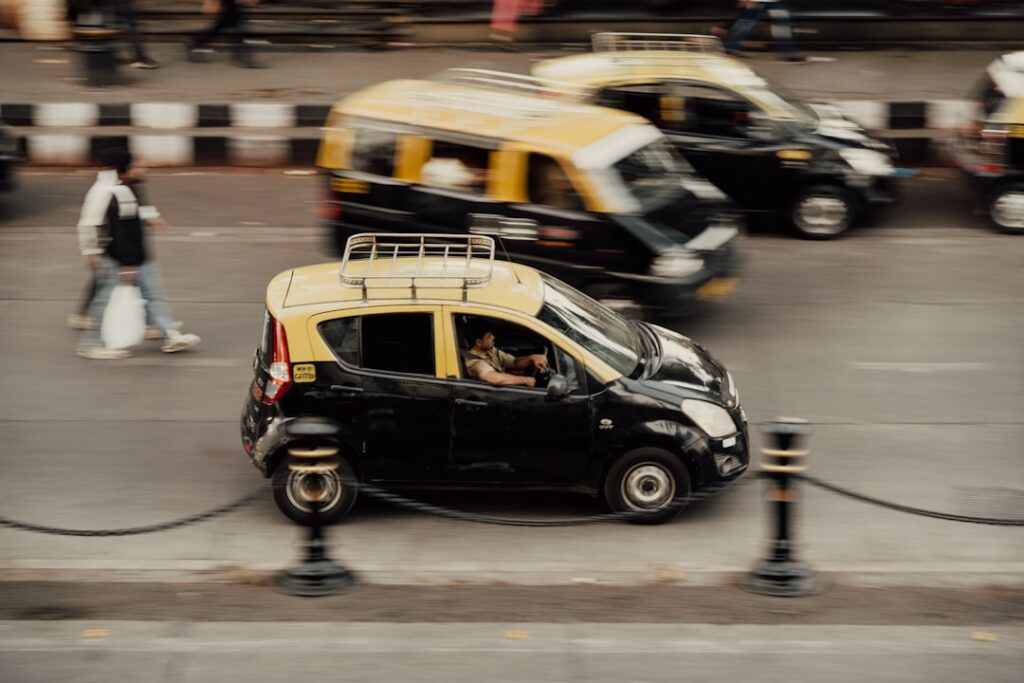
📷 Photo by Vidit Goswami on Unsplash