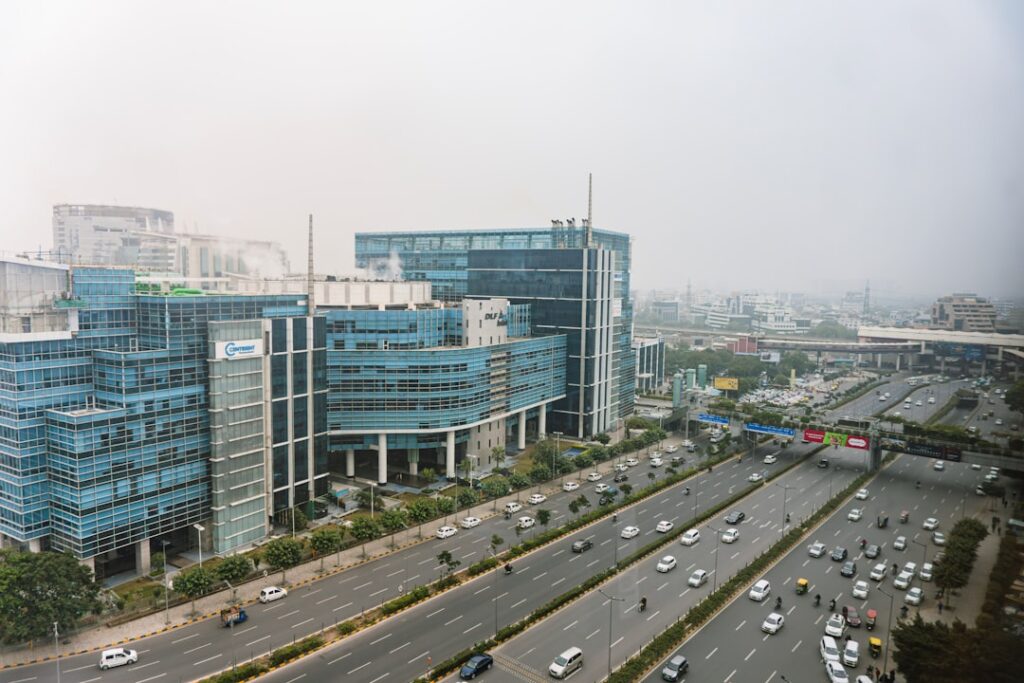
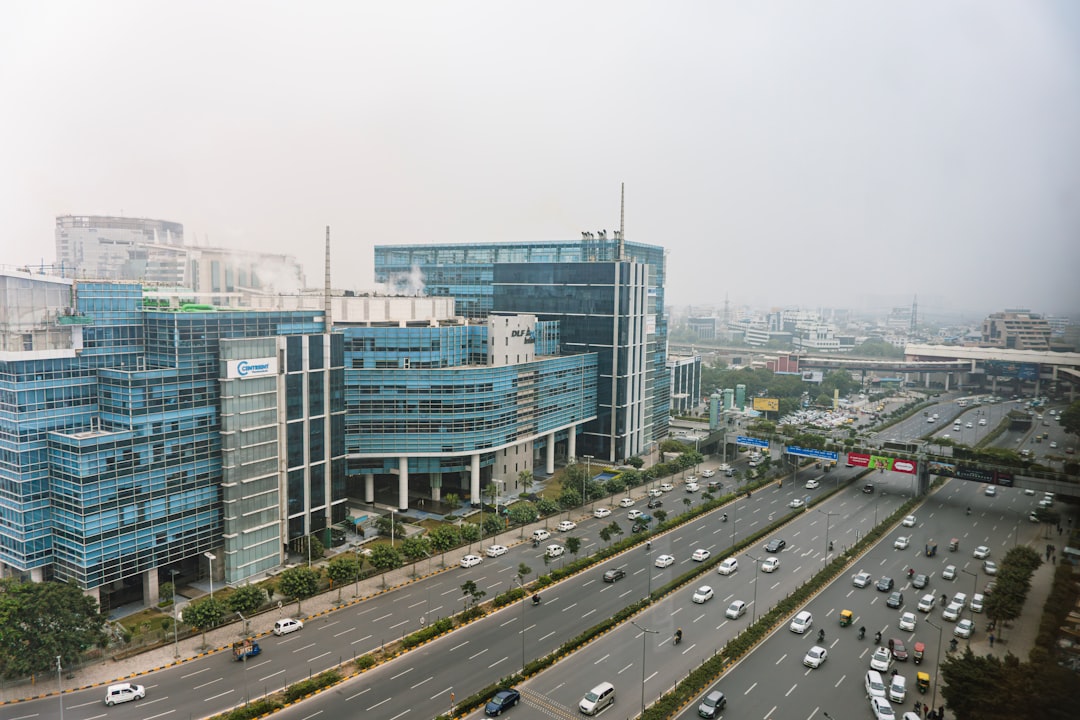
India’s technology sector is a global powerhouse, constantly evolving and reshaping the economic landscape. A recent report forecasting office demand in the tech sector for 2025 has sent ripples across the industry, offering crucial insights into the future of work, urban development, and job opportunities across the nation.
- The technology sector’s demand for office spaces in India is projected to remain robust through 2025, driven by digital transformation and global capabilities centers.
- Hybrid work models are influencing office design, leading to a demand for flexible, collaborative, and amenity-rich spaces.
- Major metros like Bengaluru, Hyderabad, and Pune continue to lead, but Tier-2 cities are emerging as new growth hubs.
- This trend signifies significant job creation, infrastructure development, and a boost to India’s overall economic growth.
What Happened: Unpacking the 2025 Report on Tech Office Demand in India
The much-anticipated “Technology Sector Office Demand India 2025 Report” paints a largely optimistic picture for India’s commercial real estate market, particularly within the technology domain. Despite initial concerns stemming from global economic headwinds and the widespread adoption of remote work during the pandemic, the report highlights a resilient and growing demand for high-quality office spaces. The core finding suggests that while the nature of office use is evolving, the necessity for physical collaboration hubs and innovation centers remains strong, albeit with new requirements.
Analysts point to several key factors driving this continued demand. India’s prominence as a global hub for IT services, software development, and digital innovation means that international and domestic companies alike are keen to expand their operations here. The country’s vast talent pool, coupled with cost-effectiveness, makes it an attractive destination for establishing Global Capability Centers (GCCs) and R&D facilities. These entities are not just seeking space; they are looking for integrated environments that foster creativity, employee well-being, and technological advancement.
The report underscores a paradigm shift from traditional office configurations to more dynamic, flexible, and experience-centric workplaces. Companies are now prioritising spaces that support hybrid work models, offering a blend of individual workstations, collaborative zones, meeting rooms equipped with advanced technology, and ample breakout areas. This strategic rethinking of office design is crucial for attracting and retaining top talent, which is a significant concern for tech firms operating in a competitive market.
Key Findings and Projections
The report projects a steady uptake of office space by the tech sector, with specific growth concentrated in India’s established IT corridors. While precise square footage numbers can vary, the consensus points towards several million square feet of new demand annually leading up to 2025. This growth is not merely about expansion but also about upgrading existing facilities to meet contemporary standards of efficiency and employee experience. A significant portion of this demand is expected to come from:
- Expansion of Global Capability Centers (GCCs): International firms are increasingly leveraging India’s talent for critical functions, leading to larger, more sophisticated office setups.
- Growth of Domestic Tech Startups and Unicorns: India’s vibrant startup ecosystem continues to churn out innovative companies that require physical spaces to scale their operations and foster team synergy.
- Digital Transformation Initiatives: Companies across all sectors are investing heavily in digital transformation, creating a ripple effect that boosts demand for tech services and, consequently, office space for the providers of these services.
- Flex Space Operators: Co-working and managed office solutions are seeing a surge in demand from tech firms looking for agility and reduced capital expenditure, further fuelling the overall market.
Driving Forces Behind the Demand
Beyond the immediate expansion needs, several underlying forces are propelling this sustained office demand:
- Robust Economic Growth: India’s resilient economic growth trajectory provides a stable foundation for business expansion across all sectors, particularly technology.
- Skilled Talent Pool: The availability of a large, English-speaking, and technically skilled workforce remains India’s biggest competitive advantage. Companies need physical spaces to house and nurture this talent.
- Government Support: Initiatives like Digital India, Make in India, and policies promoting ease of doing business continue to attract foreign investment and encourage domestic entrepreneurship in the tech space.
- Demographic Dividend: A young, aspirational population drives both consumption of digital services and participation in the tech workforce, creating a virtuous cycle.
- Infrastructure Development: Ongoing improvements in urban infrastructure, connectivity, and smart city initiatives make Indian cities more attractive for setting up large-scale tech operations.
Why It Matters for India: Economic Impact and Urban Development
The continued strong demand for office spaces in India’s technology sector is far more than just a real estate trend; it’s a significant indicator of the nation’s economic vitality and future growth trajectory. This demand acts as a powerful catalyst, driving development across multiple sectors and influencing the lives of millions of Indians.
Firstly, the robust growth in tech office demand directly translates into substantial job creation. As companies expand their physical footprint, they naturally increase their workforce. This isn’t just about direct IT jobs – software engineers, data scientists, project managers – but also extends to a vast ecosystem of supporting roles. Think about facilities management, security, catering, transportation, and a myriad of service providers that cater to these large office complexes. This multiplier effect is crucial for a country like India, which has a large youth population entering the job market annually.
Secondly, this phenomenon fuels significant investment in infrastructure and urban development. When tech companies choose to expand in a particular city or region, it necessitates improvements in roads, public transport, housing, and utilities. Developers invest heavily in constructing state-of-the-art office buildings, often incorporating green building principles and smart technologies. This investment trickles down to local economies, creating business opportunities for contractors, material suppliers, and local service providers. Cities like Bengaluru, Hyderabad, and Pune have already experienced this transformation, and emerging Tier-2 cities are now poised for similar growth.
Furthermore, a thriving tech sector strengthens India’s position on the global stage. It attracts foreign direct investment (FDI), enhances the country’s reputation as an innovation hub, and fosters a culture of entrepreneurship. This, in turn, can lead to more advanced research and development activities, potentially spawning new technologies and industries within India. The economic output from these tech hubs contributes significantly to the national GDP, bolstering India’s journey towards becoming a 5 trillion dollar economy.
Job Market Implications for Indian Android Users
For the average Indian Android user, especially those in or aspiring to enter the workforce, the implications are profound. A booming tech sector means:
- Increased Job Opportunities: Direct roles in software development (including Android app development), QA, IT support, data analysis, cybersecurity, and cloud services will proliferate.
- Diverse Skill Requirements: The demand for specialised skills in AI, Machine Learning, blockchain, and data science will intensify, pushing individuals to upskill and reskill.
- Growth in Ancillary Services: Beyond core tech roles, there will be a surge in demand for professionals in HR, finance, marketing, and administration within tech companies, as well as in support industries.
- Competitive Salaries: As demand for skilled talent grows, so do compensation packages, improving the financial prospects for many.
- Geographic Mobility: Job seekers might find opportunities not just in traditional metros but also in rapidly developing Tier-2 cities, potentially leading to better work-life balance and lower cost of living.
Real Estate and Infrastructure Growth
The real estate sector is a direct beneficiary. The demand for commercial office spaces stimulates construction activities, leading to the development of modern business parks and integrated townships. This commercial growth often spurs residential development in surrounding areas, as employees seek housing close to their workplaces. While this can sometimes lead to increased property values and rents, it also drives investment in civic amenities and public infrastructure. Smart city initiatives often align with these tech hubs, aiming to create sustainable, connected urban environments equipped with advanced digital services that directly benefit residents and Android users.
Impact on Indian Users: What This Means for You
The “Technology Sector Office Demand India 2025 Report” might seem like a high-level economic analysis, but its findings have tangible impacts on the daily lives of Indian Android users, regardless of their direct involvement in the tech industry. These macro trends ripple down, affecting everything from career prospects to urban living and the digital services you consume.
- Enhanced Digital Services and Apps: A thriving tech sector means more innovation and investment in digital products and services. As an Android user, you can expect an even greater proliferation of high-quality, localised apps across various domains – banking, e-commerce, education, healthcare, entertainment, and utilities. These apps will likely become more sophisticated, user-friendly, and integrate cutting-edge technologies like AI for personalised experiences. Your daily digital interactions will become seamless and feature-rich.
-
Increased Job Opportunities and Economic Mobility:
- Direct Tech Jobs: If you’re a student or professional, especially in engineering, computer science, or related fields, the demand for talent will remain high. This includes roles in Android app development, UI/UX design, quality assurance, cybersecurity, cloud management, and data analytics.
- Indirect Job Growth: Beyond core tech, the expansion of tech companies creates opportunities in support functions (HR, finance, marketing), facilities management, logistics, and even local businesses that cater to the tech workforce (restaurants, retail, transport).
- Upskilling and Reskilling: The competitive environment will push for continuous learning. Access to online courses and certifications, often consumed via your Android device, will become even more crucial for career advancement.
- Urban Development and Smart Cities: The concentration of tech offices often leads to significant urban development. Cities with strong tech footprints tend to invest more in smart infrastructure – better public transport, digital civic services, smart traffic management, and improved connectivity. As an Android user, you might benefit from real-time public transport apps, digital payment systems for utilities, and improved internet access in these developing areas.
- Cost of Living Adjustments: While growth is positive, increased economic activity in tech hubs can lead to higher demand for housing, services, and goods, potentially impacting the cost of living. Rent, property prices, and even daily expenses might see an upward trend in cities experiencing rapid tech sector growth. This is a crucial factor for anyone considering relocating for work.
- Better Connectivity and Digital Inclusion: To support a robust tech ecosystem, governments and private players invest heavily in digital infrastructure. This means better mobile network coverage, faster internet speeds, and potentially more affordable data plans, all directly benefiting Android users who rely on seamless connectivity for work, education, and entertainment.
- Innovation in Local Products and Services: The presence of a strong tech sector often fosters a culture of innovation. Local businesses might start adopting digital tools and services, creating more efficient and convenient options for consumers. For instance, local Kirana stores might integrate digital payment solutions or delivery apps developed by Indian tech firms.
What to Expect Next: Trends Shaping the Future of Work in India
Looking beyond 2025, the trajectory of India’s technology sector office demand will be shaped by a confluence of evolving work methodologies, technological advancements, and socio-economic shifts. The report’s insights are not static; they represent a snapshot in time, pointing towards dynamic trends that will continue to redefine the Indian workspace.
The Rise of Hybrid and Flexible Work Models
The most significant and enduring legacy of recent years is the widespread acceptance and integration of hybrid work. This model, which combines remote work with in-office collaboration, is not a temporary fix but a fundamental shift. Tech companies are actively redesigning their offices to support this flexibility, moving away from dense cubicle farms to more open, collaborative, and amenity-rich environments. Expect offices to become ‘destinations’ for specific tasks like brainstorming, team-building, and client meetings, rather than just places for individual desk work. This will drive demand for innovative fit-outs and technology infrastructure within office spaces.
Sustainability and Smart Office Spaces
Environmental consciousness and operational efficiency are becoming paramount. Future office spaces in India’s tech sector will increasingly incorporate sustainable design principles, such as energy-efficient systems, renewable energy sources, waste management, and green building certifications (e.g., LEED, IGBC). Furthermore, ‘smart office’ technologies will become standard, featuring IoT-enabled sensors for climate control, lighting, space utilisation tracking, and security. These advancements not only reduce operational costs but also enhance employee comfort and productivity, aligning with global corporate social responsibility goals.
Geographic Shifts: Beyond Metros
While Bengaluru, Hyderabad, Pune, Chennai, and Delhi-NCR will remain primary hubs, the report subtly hints at the growing potential of Tier-2 and Tier-3 cities. Factors like lower operational costs, availability of talent (often returning from metros), improved infrastructure, and government incentives are making cities like Coimbatore, Kochi, Jaipur, Ahmedabad, Lucknow, and Chandigarh attractive for tech firms looking to expand or establish new operations. This decentralisation could lead to more balanced regional development and provide job opportunities closer to home for many Indian Android users.
Moreover, the integration of Artificial Intelligence (AI) and Machine Learning (ML) will not only influence the nature of work but also the design and functionality of offices. AI-powered tools will streamline operations, enhance security, and even personalise the office environment. Cybersecurity concerns will also drive demand for secure, robust IT infrastructure within these physical spaces. India’s evolving regulatory landscape for data privacy and digital commerce will also play a role, potentially influencing how companies configure their data centres and physical presence.
The government’s continued focus on initiatives like “Digital India” and “Make in India” will further bolster the tech sector, creating a supportive ecosystem for both domestic and international players. This includes investments in digital infrastructure, skill development programs, and policies that encourage innovation and entrepreneurship. For Indian Android users, this translates into a future where digital services are more pervasive, accessible, and integral to daily life, underpinned by a robust and expanding tech infrastructure.
- Resilient Demand: India’s tech sector office demand is robust, driven by GCCs, startups, and digital transformation.
- Hybrid Work is Key: Offices are evolving into collaborative hubs, supporting flexible work models with advanced tech.
- Job Creation: Expect significant growth in direct tech roles and allied support services across India.
- Urban Growth: Tech expansion fuels infrastructure development and smart city initiatives in metros and emerging cities.
- Digital Lifestyle Boost: Enhanced digital services, better connectivity, and more innovative apps are on the horizon for Android users.
- Future Trends: Sustainability, smart office tech, and decentralisation to Tier-2 cities will define the next phase.
In conclusion, the “Technology Sector Office Demand India 2025 Report” offers a powerful affirmation of India’s enduring role as a global technology leader. It highlights a future where offices are not merely buildings but dynamic ecosystems designed for innovation, collaboration, and employee well-being. For Indian Android users, this translates into a future rich with opportunity, advanced digital services, and a continuously evolving urban landscape. As we move towards 2025 and beyond, staying informed about these trends and proactively upskilling will be crucial for harnessing the immense potential this growth offers. Embrace the digital transformation, explore new learning avenues, and be ready to contribute to India’s exciting tech journey!
Content is intended for informational purposes only. Prices and product details may vary — please verify before making any purchase decisions.
© 2026 NexifyLabs — All rights reserved.