Welcome to June 2026! The Indian smartphone market is buzzing with innovation, offering an incredible array of devices that promise to redefine your digital experience. With new technologies emerging at a rapid pace, choosing the best mobile phone in India can feel like navigating a maze.
Whether you’re a student, a working professional, a content creator, or a casual user, finding a phone that perfectly aligns with your needs and budget is crucial. This comprehensive guide will walk you through the essential factors to consider, ensuring you make an informed decision that you’ll be happy with for years to come.
- Identify your core needs and set a realistic budget before diving into options.
- Prioritize processor power and ample RAM for smooth multitasking and future-proofing.
- Look for high-refresh-rate AMOLED displays for an immersive visual experience.
- Don’t just chase megapixels; evaluate overall camera versatility and software processing.
- Opt for large batteries with fast charging to keep you powered throughout the day.
- Value a clean, up-to-date Android software experience with strong privacy features.
- Ensure your chosen device supports the latest connectivity standards like 5G and Wi-Fi 7.
- Consider durability, design aesthetics, and the brand’s after-sales service network in India.
Tip 1: Understanding Your Mobile Needs and Budget
Before you even begin looking at specifications, the most critical step is to understand your unique requirements and establish a clear budget. Are you a power user who constantly juggles multiple apps, edits photos, and plays demanding games? Or perhaps you’re a casual user who primarily uses their phone for calls, messaging, social media, and occasional browsing? Your usage pattern will dictate the kind of performance, camera, and battery life you truly need.
India’s smartphone market is incredibly diverse, with offerings across various price segments. In June 2026, you can generally categorize budgets into three main tiers: the entry-level and mid-range (under INR 20,000), the upper mid-range and affordable flagships (INR 20,000 – INR 40,000), and the premium flagship segment (above INR 40,000). Each segment offers a different balance of features, performance, and build quality. Sticking to your budget will help narrow down the overwhelming number of choices available.
Tip 2: The Heart of the Beast – Processor and RAM
The processor, often referred to as the System-on-Chip (SoC), is the brain of your smartphone. It dictates the overall speed, responsiveness, and ability to handle demanding tasks. In June 2026, expect to see advancements from chipmakers like Qualcomm (Snapdragon 8 Gen 5 or 6 series), MediaTek (Dimensity 9000+ or 10000 series), and potentially even more robust in-house chips from brands like Google and Samsung. A powerful SoC ensures smooth app launches, seamless multitasking, and lag-free gaming.
Coupled with the processor, Random Access Memory (RAM) plays a crucial role in multitasking. The more RAM your phone has, the more applications it can keep open in the background without needing to reload them, leading to a much smoother user experience. For most users in 2026, 8GB of RAM should be considered the minimum for comfortable usage, while 12GB or even 16GB will provide excellent future-proofing and a superior experience for power users and gamers.
How to Evaluate Processor and RAM
When looking at a phone’s specifications, pay attention to the exact model number of the SoC. A quick online search can provide benchmarks and comparisons to help you understand its real-world performance. For RAM, simply look at the advertised gigabyte (GB) number. More is generally better, but always consider it in conjunction with the processor and your usage habits.
Tip 3: A Window to Your World – Display Technology
Your phone’s display is your primary interface, and its quality significantly impacts your daily interaction. In June 2026, you’ll predominantly find two main types of display panels: AMOLED (Active Matrix Organic Light Emitting Diode) and LCD (Liquid Crystal Display). AMOLED screens offer vibrant colors, true blacks, excellent contrast, and often better power efficiency, especially with dark modes. LCDs are generally more affordable and still offer good quality, but typically can’t match AMOLEDs for contrast.
Beyond the panel type, refresh rate is a key specification. Standard displays refresh at 60Hz, but most modern phones, especially in the mid-range and above, feature 90Hz, 120Hz, or even 144Hz refresh rates. A higher refresh rate makes scrolling, animations, and gaming appear significantly smoother and more fluid. Look for phones with adaptive refresh rates that can automatically switch between different rates to conserve battery life.
What to Look For in a Display
Aim for an AMOLED display, ideally with a minimum of 120Hz refresh rate, for the best visual experience. Also, consider resolution (Full HD+ is standard, QHD+ for premium), peak brightness (important for outdoor visibility under the Indian sun), and HDR (High Dynamic Range) support for enhanced content consumption on platforms like Netflix and YouTube. Pay attention to the bezels and notch/punch-hole design for an immersive edge-to-edge viewing experience.
Tip 4: Capture Every Moment – Camera Systems Evolved
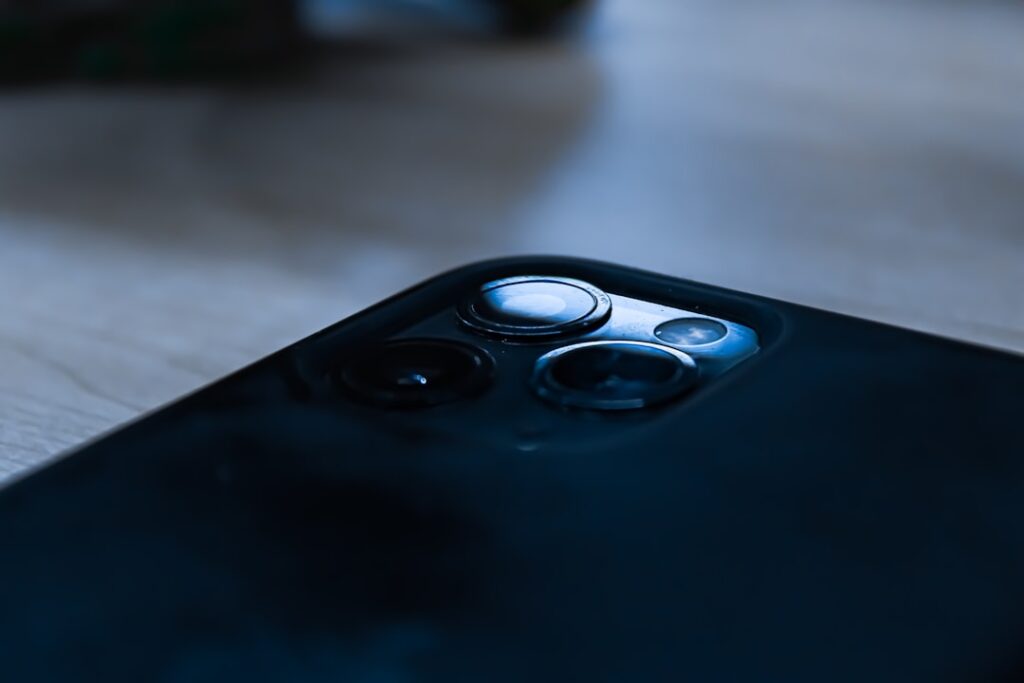
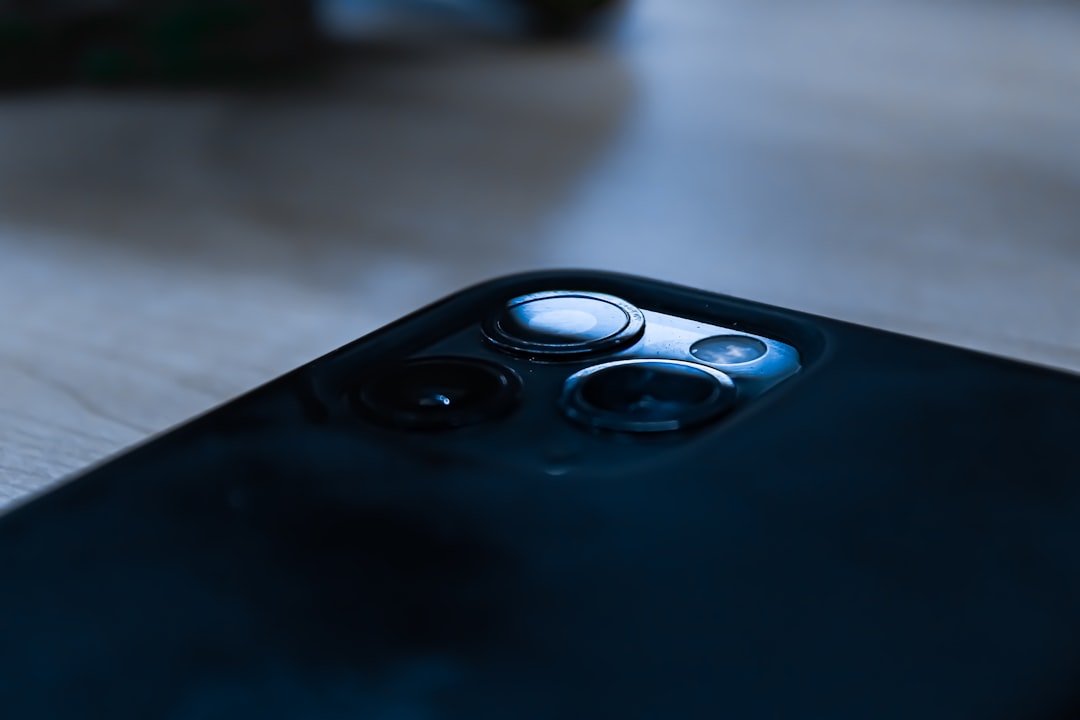
For many, the camera is one of the most important features of a smartphone. In June 2026, smartphone cameras are not just about raw megapixels; they are complex systems integrating multiple lenses, advanced sensors, and sophisticated computational photography algorithms. You’ll often find a main wide-angle lens, an ultrawide lens for expansive shots, and sometimes a telephoto lens for optical zoom. Macro lenses and depth sensors are also common, though their utility varies.
Computational photography, powered by the phone’s SoC, is key. Features like Night Mode, Portrait Mode, HDR processing, and advanced video stabilization rely heavily on software algorithms to produce stunning results. Optical Image Stabilization (OIS) is a crucial hardware feature that helps reduce blur in photos and smooth out shaky videos, especially in low-light conditions.
How to Evaluate Camera Capabilities
Don’t fall for the “bigger megapixels are better” trap. A 50MP sensor with excellent software processing and OIS can often outperform a 108MP sensor without these optimizations. Look for phones that offer a versatile camera setup, good low-light performance, and consistent image quality across all lenses. Check for advanced video features like 4K 60fps recording, cinematic modes, and robust stabilization.
Tip 5: Power Through Your Day – Battery Life and Charging Speeds
In our fast-paced lives, a phone that can last through a full day of heavy usage is non-negotiable. Battery capacity, measured in milliampere-hours (mAh), is a good indicator, with 4500mAh to 5000mAh and above being ideal for most users in 2026. However, battery life isn’t just about raw capacity; it’s also heavily influenced by the phone’s processor efficiency, display type, and software optimization.
Equally important is fast charging technology. Gone are the days of waiting hours for your phone to charge. In June 2026, expect to see phones offering charging speeds from 67W to well over 100W, allowing you to top up your battery significantly in just 15-30 minutes. Wireless charging and reverse wireless charging are also becoming more common in the mid-range and premium segments, offering added convenience.
What to Look For in Battery and Charging
Aim for a phone with at least a 4500mAh battery, preferably 5000mAh or more, coupled with an efficient processor. Look for fast charging support of at least 67W, if not higher, to ensure quick top-ups. Check if the fast charger is included in the box, as some brands might omit it, requiring an additional purchase. Also, consider the brand’s reputation for battery longevity over time.
Tip 6: The Software Experience – Android 16 and Beyond
The hardware might be impressive, but the software is what you interact with every single day. In June 2026, most new Android phones will likely be running Android 16 or a highly optimized custom skin based on it. A clean, bloatware-free software experience with timely updates is paramount for security, new features, and overall longevity of your device.
Look for phones that offer a near-stock Android experience or a well-optimized custom UI (like OxygenOS, One UI, Funtouch OS, MIUI, etc.) that adds useful features without being overly intrusive. Key built-in Android features to consider include:
- Digital Wellbeing: Helps you monitor and manage your screen time for a healthier digital life.
- Privacy Dashboard: Offers a transparent overview of which apps are accessing your camera, microphone, and location.
- Nearby Share: Seamlessly share files, links, and photos with other Android devices nearby.
- Google Assistant: Your smart helper for tasks, information, and controlling smart home devices.
- Gesture Navigation: Modern, intuitive ways to navigate your phone without physical buttons.
- Smart Storage: Automatically frees up space by backing up old photos and videos to the cloud.
- One-Handed Mode: Essential for large phones, making it easier to reach all parts of the screen.
- Emergency SOS: A critical safety feature to quickly alert contacts and emergency services.
How to Evaluate Software Experience
Check the brand’s reputation for software updates. How many major Android updates do they promise, and for how long do they provide security patches? A longer support cycle means your phone stays secure and updated with the latest features. When testing a phone, pay attention to the fluidity of the UI, the presence of bloatware (pre-installed, often unwanted apps), and the ease of navigation.
Tip 7: Connectivity and Future Readiness – 5G, Wi-Fi 7, and eSIM
Connectivity is paramount in an increasingly interconnected world. In June 2026, 5G network coverage in India is extensive and crucial for blazing-fast internet speeds, low latency, and advanced applications. Ensure the phone you choose supports multiple 5G bands relevant to Indian telecom operators for optimal compatibility and performance across different networks.
Beyond cellular connectivity, Wi-Fi standards are also evolving. While Wi-Fi 6 and 6E are common, Wi-Fi 7 (802.11be) is expected to become more prevalent in high-end devices, offering even faster speeds, lower latency, and better efficiency, especially in congested network environments. Additionally, the inclusion of eSIM support offers greater flexibility, allowing you to switch carriers digitally without needing a physical SIM card, and often enabling dual SIM functionality with one physical and one eSIM.
What to Look For in Connectivity
Confirm the phone supports a comprehensive range of 5G bands (n77, n78, n5, n8, n28, etc., depending on operator). Look for Wi-Fi 6E or Wi-Fi 7 for future-proof wireless connectivity. Bluetooth 5.3 or newer ensures stable connections with accessories. Dual SIM (physical + eSIM or dual physical) is a highly desirable feature for many Indian users, offering flexibility for personal and work numbers.
Tip 8: Built to Last – Design, Durability, and Haptics
Your smartphone is an investment, and you want it to withstand the rigors of daily use. Design aesthetics are subjective, but modern phones often feature premium materials like glass backs, metal frames, and innovative finishes. Beyond looks, durability is key. Look for an IP (Ingress Protection) rating, which indicates resistance to dust and water. An IP67 or IP68 rating means your phone can survive splashes, rain, and even accidental submersion to a certain depth.
Haptic feedback, the subtle vibrations your phone produces, might seem minor, but a good haptic motor can significantly enhance the user experience. Precise, nuanced vibrations for typing, notifications, and system interactions make the phone feel more premium and responsive. Cheap, buzzy vibrations can detract from an otherwise great device.
What to Look For in Durability and Design
Prioritize phones with an IP67 or IP68 rating for peace of mind against environmental elements. Check if the screen is protected by a durable glass like Corning Gorilla Glass Victus 2 or equivalent. Hold the phone in your hand to assess its ergonomics, weight distribution, and overall build quality. Pay attention to the quality of the haptic feedback – a good motor makes a difference.
Bonus Tip: After-Sales Service and Brand Reliability
In the Indian market, after-sales service can make or break your smartphone experience. Even the best phone can encounter issues, and having reliable, accessible service centers is invaluable. Before making a purchase, research the brand’s reputation for customer support, warranty policies, and the availability of service centers in your city or region.
A brand with a strong service network and a commitment to long-term software support (as discussed in Tip 6) offers greater peace of mind. Consider brands that are well-established in India and have a proven track record of standing behind their products. This extends beyond just hardware repairs to timely software updates and security patches, ensuring your phone remains functional and secure for years.
- Personalize Your Search: Your ideal phone depends on your specific needs and budget.
- Power Matters: A strong SoC and ample RAM are crucial for performance and longevity.
- Display is Key: Opt for high-refresh-rate AMOLED for a superior visual experience.
- Smart Camera Choices: Focus on versatility, OIS, and computational photography over raw megapixels.
- Enduring Power: Prioritize large batteries with ultra-fast charging for convenience.
- Software is Soul: A clean, updated Android OS with rich built-in features enhances usability and security.
- Future-Proof Connectivity: Ensure 5G, Wi-Fi 7, and eSIM support for evolving networks.
- Build Quality Counts: Durability features like IP ratings and premium materials protect your investment.
- Service is Support: Don’t overlook after-sales service and brand reliability in India.
Choosing the best mobile phone in India for June 2026 is an exciting journey, and by following these detailed tips, you are well-equipped to make an informed decision. The market is full of fantastic devices, each with its unique strengths. By prioritizing what truly matters to you – be it cutting-edge performance, an exceptional camera, stellar battery life, or a pure Android experience – you can find a smartphone that not only meets but exceeds your expectations.
So, take your time, compare options, read reviews, and visit stores to get a hands-on feel. Your perfect smartphone is out there, waiting to become an indispensable part of your life. Make your choice wisely, and enjoy the incredible world of possibilities that your new Android device will unlock! Happy shopping!
Content is intended for informational purposes only. Prices and product details may vary — please verify before making any purchase decisions.
© 2026 NexifyLabs — All rights reserved.